We talk a lot about egg production when it comes to backyard chickens, but what happens when your hens start slowing down… or even stop altogether? Yep, just like humans, chickens go through a version of menopause, often called henopause. And it’s not just the hens; some people even chat about henopausal ducks, too!
As a chicken mom, I think it’s important to understand what’s happening in your flock so you can give your girls the best care, whether they’re pumping out fresh eggs or enjoying retirement in the henhouse reserve.

What Is Henopause?
Henopause is the term used to describe when an older hen’s reproductive system naturally slows down. Most hens hit their peak egg production in their first 2–3 years. After that, laying slows, the eggs may be less frequent or oddly shaped, and eventually, some hens will stop laying altogether.
It’s not a disease, it’s simply a natural part of your hen’s lifecycle. Just like we wouldn’t expect new chicks from grandma hens, their bodies shift into a different rhythm.
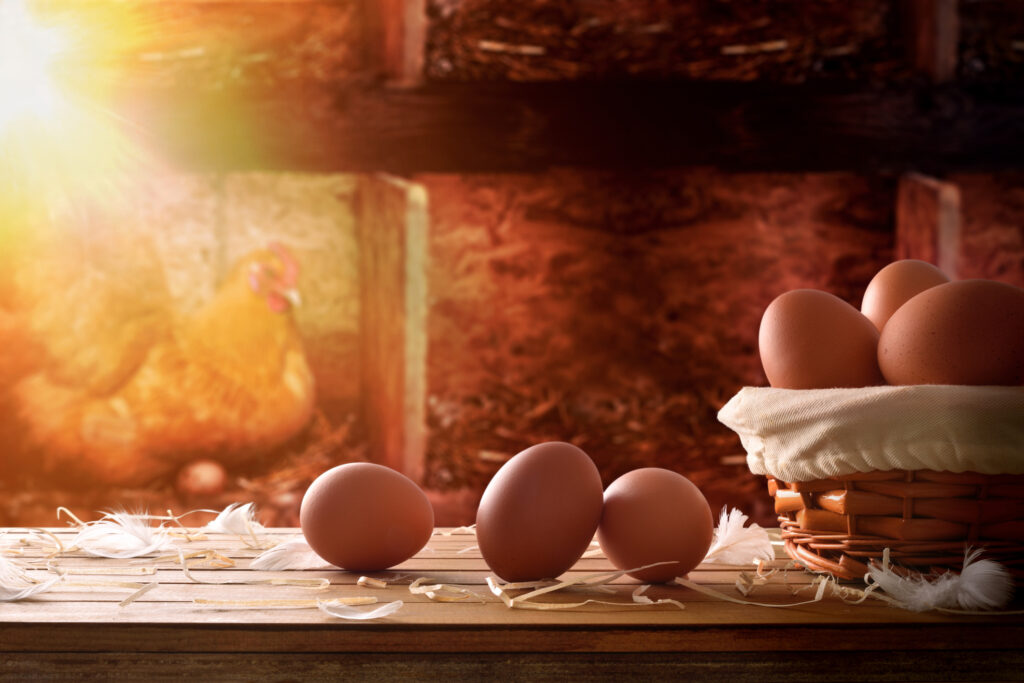
The Egg Laying Cycle: From First Egg to Retirement
Let’s back up for a second and look at the whole journey of a hen’s egg production.
- Start of Lay (Around 5–6 months old): Most hens begin laying their first eggs between 18–24 weeks of age, depending on breed. These first eggs are often small (sometimes called “pullet eggs”).
- Peak Production (1–2 years old): This is when your girls are real egg-laying machines! Many hens will lay nearly every day, giving you those beautiful, steady baskets of fresh eggs.
- The Slowdown (3–4 years old): Egg production naturally tapers off as the hen’s reproductive system ages. You’ll notice fewer eggs, and sometimes shells are thinner or shapes are irregular. Biologically, this happens because the hen was born with a fixed number of ova (yolks), and as she ages, her body releases fewer of them.
- Retirement Years (5+ years old): By this age, many hens have stopped laying altogether or only produce the occasional egg. Some may surprise you with the odd egg now and then, but for the most part, their laying days are done.
The good news? Hens can live long, happy lives even after their laying slows, often 8 to 10 years (sometimes longer with great care).

How It Affects Egg Laying
- Fewer Eggs: Instead of daily fresh eggs, you might only see a few a week, then fewer and fewer.
- Shell Changes: Older hens can sometimes lay thinner-shelled or misshapen eggs as their reproductive system ages.
- Complete Stop: Eventually, hens stop laying for good.
The good news? Your older hens are still valuable members of your flock! They keep order in the pecking order, teach new chicks the ropes, and often make the best “aunties” in the coop.
How It Affects the Hen
Some folks worry that henopause means their chicken isn’t “useful” anymore, but trust me, your girls are far from done. Older hens often:
- Become calmer and friendlier (great for kids or new chicken keepers to handle).
- Act as wise leaders in the flock.
- Stick close to the coop and enjoy their retirement.
Think of them as your henhouse reserve, always on duty for flock wisdom, even if they’re not cranking out breakfast.

Caring for Henopausal Hens
- Quality Chicken Feed: Keep them on a balanced diet. Some people switch to an all-flock feed with supplemental calcium on the side.
- Plenty of Comfort: Nesting boxes, dust baths, and a clean coop keep them happy.
- Health Monitoring: Watch for changes in weight, feather condition, or energy. Even if they’re not laying, they deserve the same care as your younger birds.

Should You Add New Chicks?
If you depend on steady egg production, introducing new chicks every couple of years keeps the fresh eggs coming while letting your older hens enjoy retirement. It’s a nice balance between honoring your flock and meeting your household’s egg needs.
Bottom Line
Henopause is a totally normal phase in the life of your backyard chickens. While egg production slows, the companionship, flock dynamics, and joy your older hens bring are still priceless.
So next time you’re tempted to see your girls only for their eggs, remember: they’ve earned their golden years! Celebrate your henhouse reserve and enjoy the love they bring to your little farmyard.
What questions do you have? Let me know in the comments!
Related Posts:
When do Chickens Begin Laying Eggs?
Do Chickens Have Periods?
Choosing the Best Egg-Laying Chickens for Your Flock
Sign up for friendly chicken-keeping tips, seasonal care guides, and simple ways to create more calm in your days on the farm or in your backyard.